
✦ Skills Training & Development
Everyday skills that make home, school, and community feel possible.

✦ About Texas Care
Practice that sticks — not a lecture in a waiting room.
Skills training helps children and teens build the abilities they need for community integration, coping, safety, medication routines, and follow-through with psychiatric and medical care. Progress is tracked against an individualized treatment plan, so families can see what is working and what to practice next.
A diagnosis names a challenge. Skills training gives your child something to do with that challenge — at the dinner table, in the classroom, on the bus, and in the community.
✦ What we practice
Goals built around real days, not clinic hours.
01
Coping & communication
Naming feelings, asking for help, slowing down before a blow-up, and using words instead of shutdown or aggression.
02
Daily living & safety
Routines for mornings, hygiene, meals, medication, and staying safe at home and in the community.
03
Community integration
Practicing skills in stores, parks, school, and other public places so progress is not limited to one room.
04
Appointments & follow-through
Support keeping psychiatric and medical visits, remembering next steps, and staying connected to the treatment plan.
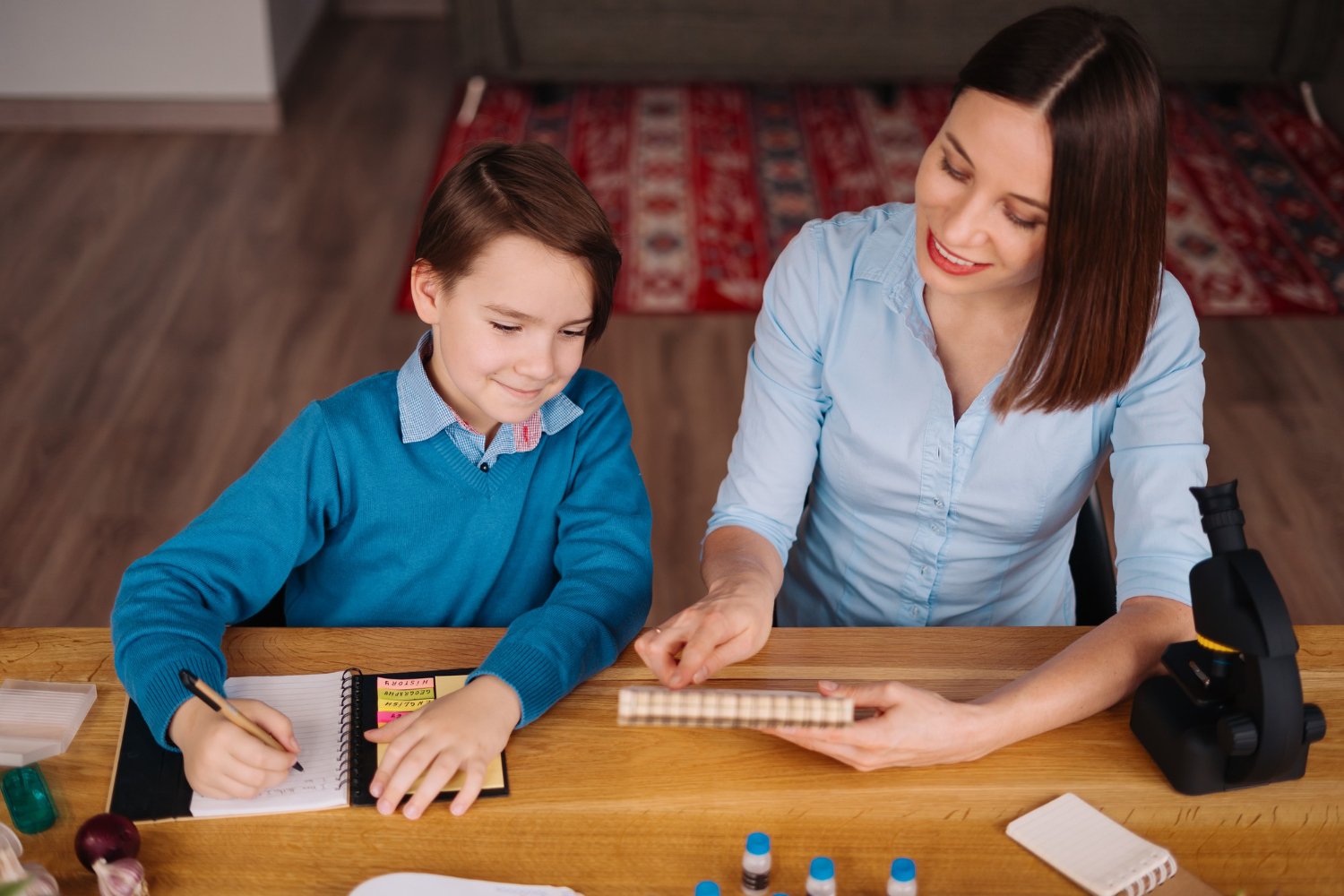
✦ What a session looks like
Practice with your child — not a lecture about your child.
- Sessions follow the goals in the treatment plan
- Length and frequency depend on eligibility and clinical need
- You will know what to practice before the next visit
- If a setting is not working, we change the setting — not the child